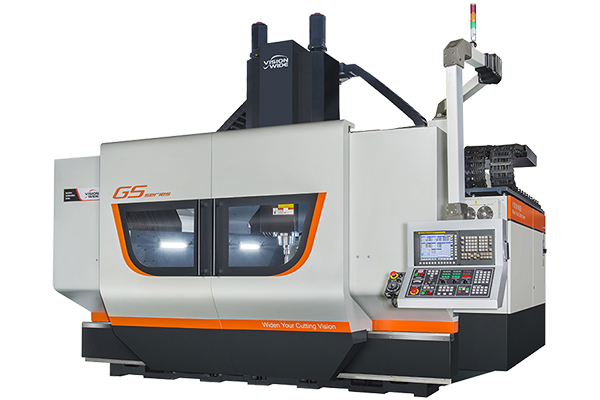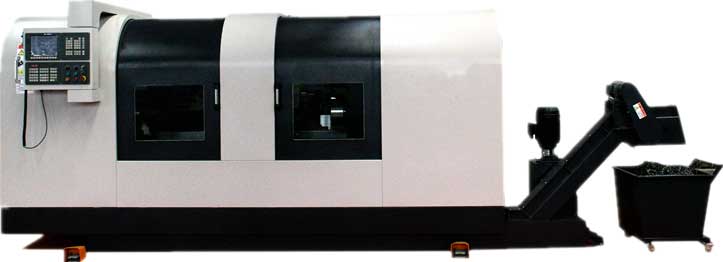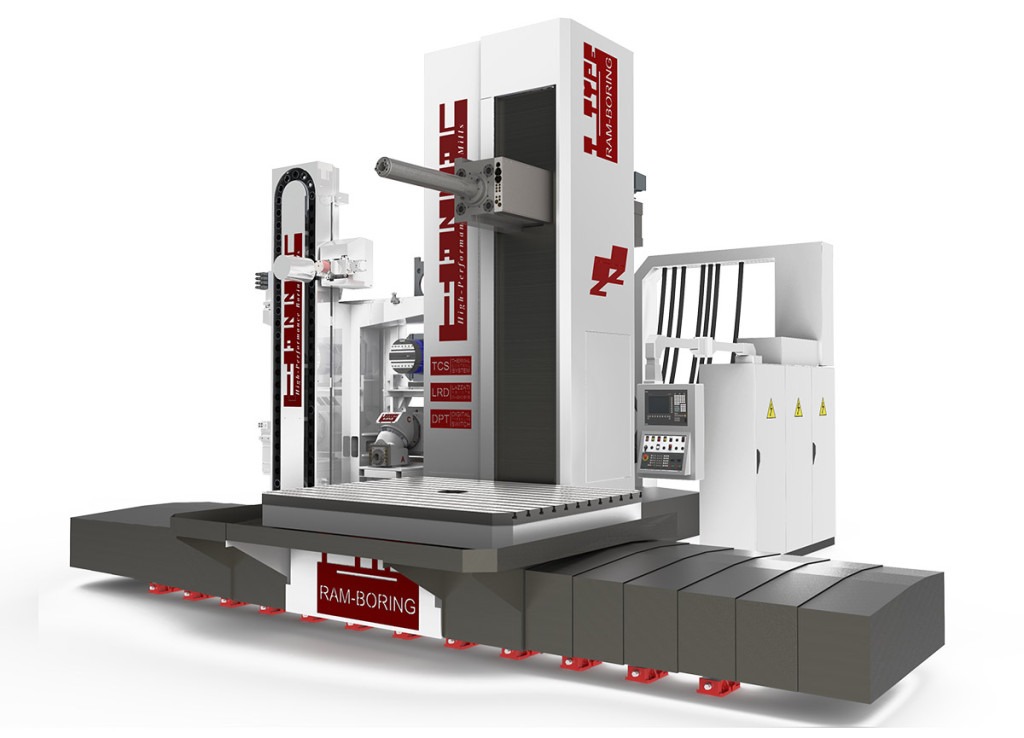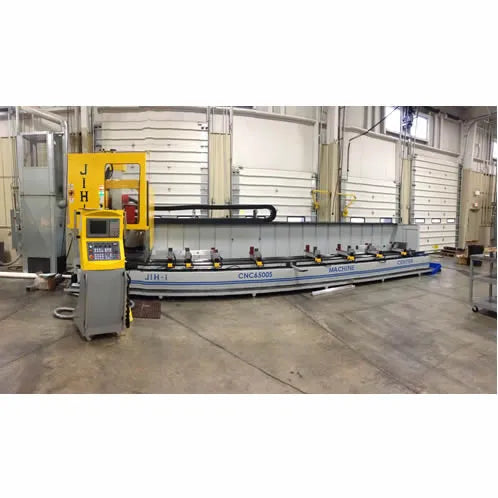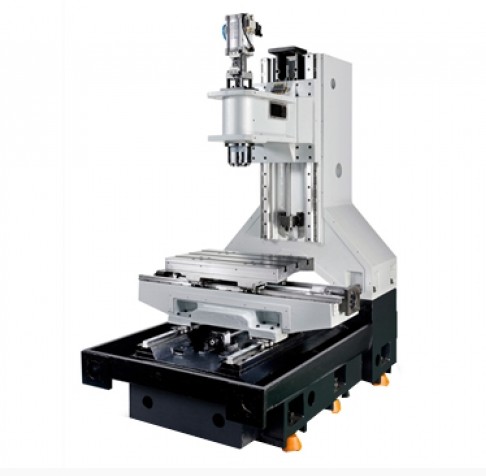
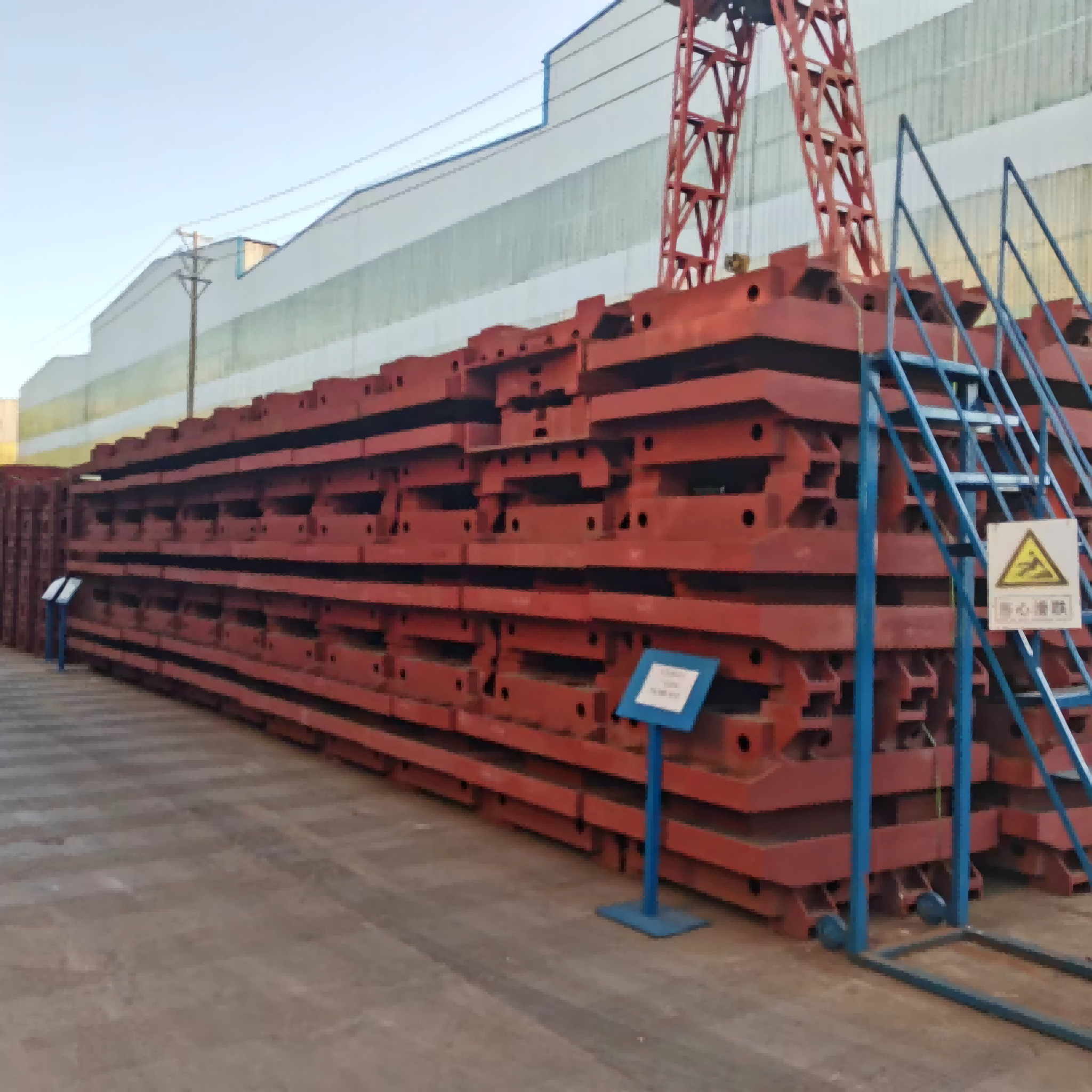
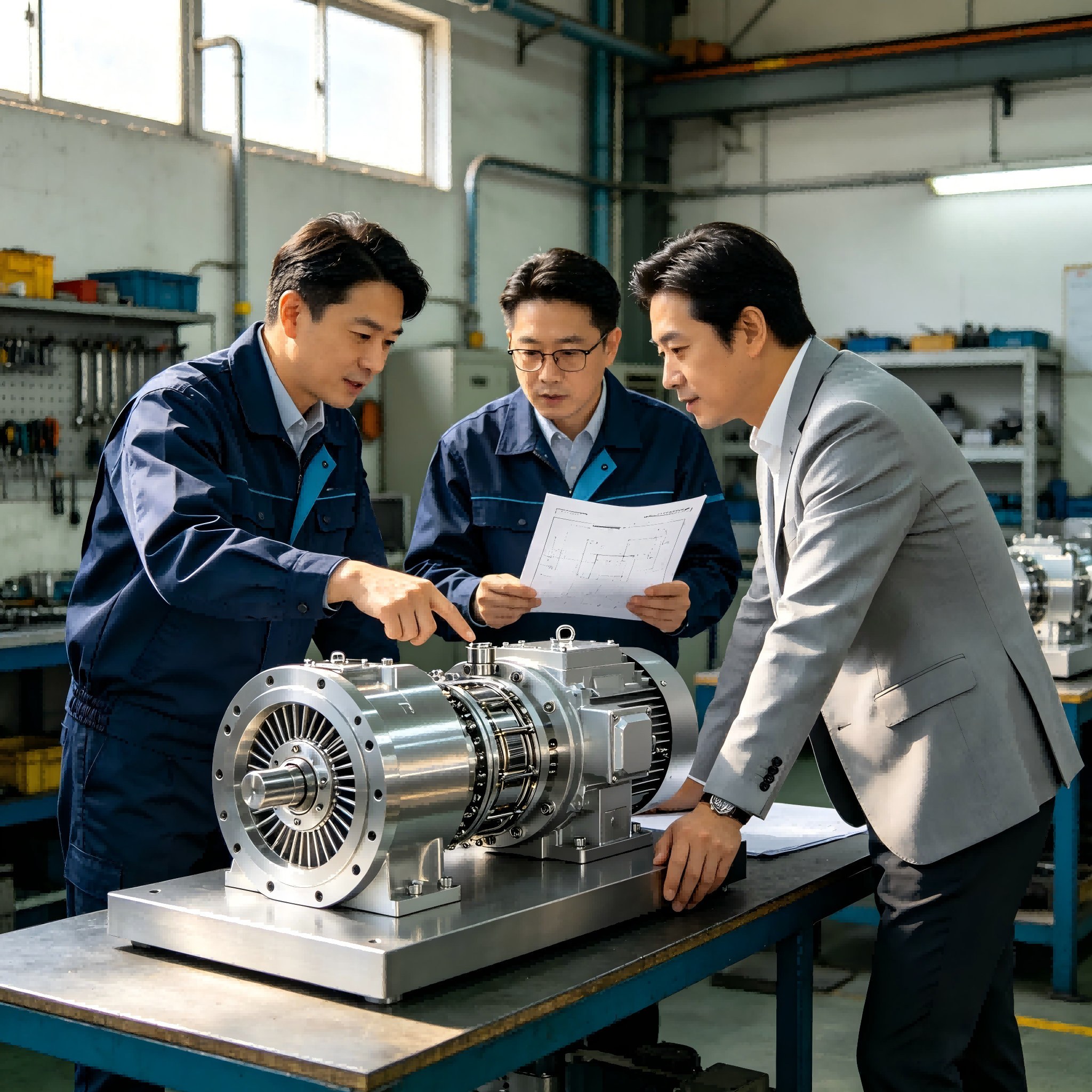
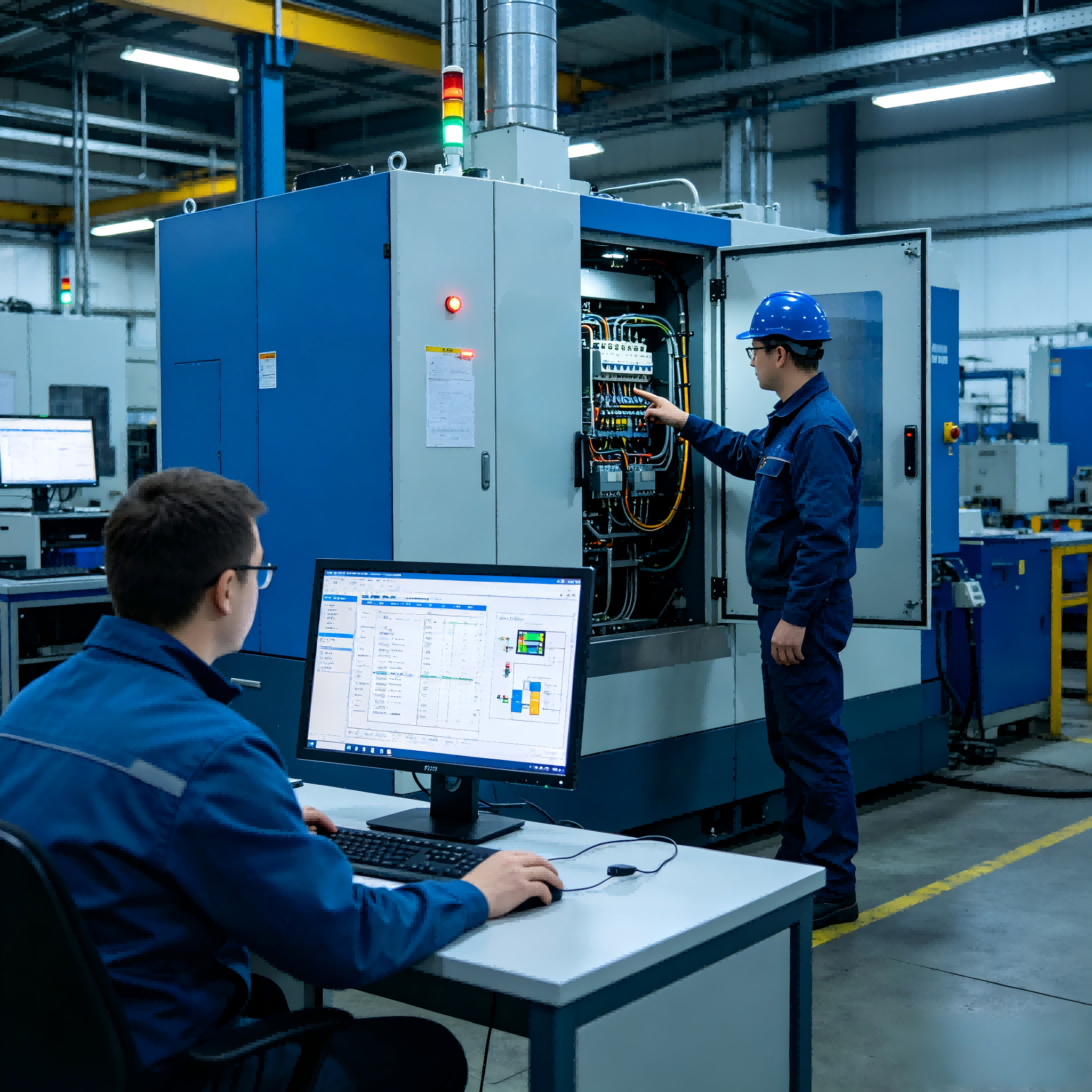

Introduction: Navigating the Global Market for Split Machining Center
When sourcing split machining centers for precision bent-element manufacturing, procurement teams across Nigeria, Saudi Arabia, and emerging markets in South America face a complex intersection of technical requirements and logistical hurdles. These specialized CNC systems—designed specifically for trimming curved plywood components, furniture elements, and complex architectural millwork—demand exacting standards that go beyond conventional machining capabilities. Buyers must navigate not only the technical specifications of 3-axis to 5-axis configurations and specialized clamping systems but also the intricacies of international supplier vetting, import compliance, and localized after-sales support networks.
What Defines a Split Machining Center and Why Does Your Operation Need One?
Unlike standard CNC routers, split machining centers feature dual work zones that can operate independently or unify to accommodate oversized bent elements, coupled with specialized vertical and horizontal clamping systems engineered for irregular shapes. These machines serve critical applications in high-end furniture production, automotive interior manufacturing, and custom architectural components where precision trimming of curved surfaces determines product quality and material yield.
Which Procurement Challenges Should Global Buyers Anticipate?
International procurement involves evaluating European precision engineering against regional infrastructure constraints, understanding TCO (total cost of ownership) implications including freight and customs for heavy machinery, and verifying supplier capabilities for remote technical support across time zones. Buyers must assess not only machine specifications but also software compatibility, spare parts availability, and training resources essential for successful deployment in diverse manufacturing environments.
How Will This Guide Optimize Your Capital Equipment Investment?
This comprehensive resource examines split machining center types—from dedicated 3-axis trimmers to versatile 5-axis hybrid systems—analyzes application-specific configurations for woodworking and composite materials, and provides frameworks for supplier qualification, cost-benefit analysis, and risk mitigation. By addressing region-specific procurement strategies for African, Middle Eastern, South American, and European markets, this guide equips decision-makers with actionable intelligence to secure machinery that aligns with production goals, budget parameters, and long-term operational sustainability.
Understanding Split Machining Center Types and Variations
| Type Name | Key Distinguishing Features | Primary B2B Applications | Brief Pros & Cons for Buyers |
|---|---|---|---|
| Fixed Bridge Dual-Zone Split Centers | Two independent work areas with unified mode capability; specialized vertical/horizontal clamping for bent elements; 3-axis base with optional 5-axis bi-rotative head | Furniture manufacturing, plywood component production, interior fit-out sectors | Pros: High throughput with dual zones, flexible for varying piece sizes, integrated 3D simulation software. Cons: Limited to lighter materials, requires skilled programming for complex bends, fixed bridge restricts workpiece height. |
| Gantry-Type Split Machining Systems | Mobile gantry structure spanning split tables; heavy-duty construction for industrial loads; synchronized or independent zone operation with powerful multi-blade cutting motors | Large-scale woodworking, construction material processing, industrial mold making | Pros: Handles heavier workpieces, scalable for long parts, robust for continuous industrial use. Cons: Higher floor space requirements, significant initial capital investment, requires reinforced foundations. |
| Hybrid 5-Axis Split Centers | Bi-rotative operating heads on split-base platforms; combines rough cutting with precision end-milling; advanced clamping versatility for complex curved geometries | Complex curved components, aerospace patterns, automotive interior trim, luxury furniture | Pros: Eliminates secondary operations, handles complex geometries in single setups. Cons: Premium pricing, requires advanced CAM programming, higher maintenance complexity for rotary heads. |
| Compact Modular Split Units | Configurable split tables for SMEs; quick-change clamping systems; Industry 4.0 integration with remote diagnostics; reduced footprint design | Custom furniture workshops, prototyping labs, educational training centers, emerging market manufacturers | Pros: Lower entry cost, adaptable to changing production needs, comprehensive software packages. Cons: Limited automation compared to industrial models, smaller work envelope per zone, may require power conditioning for certain regions. |
| Customized Split Machining Centers | Bespoke configurations integrating split-table technology with application-specific modifications such as specialized dust extraction, custom clamping arrays, or automated loading systems | Musical instrument manufacturing, sports equipment production, architectural element fabrication, niche bent-wood products | Pros: Addresses specific production bottlenecks, tailored to proprietary processes, optimized workflow integration. Cons: Longer lead times for delivery, higher engineering costs, potential challenges with future standard parts availability. |
What Are Fixed Bridge Dual-Zone Split Centers and When Should Buyers Invest?
These machines feature a stationary bridge with two distinct processing zones that operators can merge for oversized workpieces, specifically engineered for trimming bent plywood elements. They utilize specialized vertical and horizontal clamping systems with easy-to-adjust fixtures that accommodate varying shapes and sizes without complex retooling. Ideal for furniture manufacturers handling high-mix, low-volume production of curved components, these centers maximize throughput by processing multiple pieces simultaneously. When purchasing, evaluate the clamping system’s adjustability for your specific material range, verify software compatibility with existing CAD/CAM workflows, and assess whether the dual-zone productivity gains justify the floor space requirements in your facility.
How Do Gantry-Type Split Machining Systems Differ from Fixed Bridge Models?
Unlike fixed bridge designs, these systems employ a moving gantry that traverses split tables, accommodating significantly heavier workpieces and industrial-scale operations with enhanced stability. The split configuration allows simultaneous processing of different parts or tandem operation on long components, while powerful cutting motors enable aggressive material removal rates. Best suited for construction material processors and large-scale manufacturers requiring high throughput, these systems demand substantial infrastructure. Analyze foundation requirements for vibration dampening, calculate ROI based on throughput increases versus energy consumption, and ensure local technical support availability for gantry alignment maintenance before committing to this investment.
Why Consider Hybrid 5-Axis Split Centers for Complex Component Manufacturing?
These advanced systems combine split-table efficiency with bi-rotative heads capable of end-cutting and complex contouring, eliminating the need for secondary finishing operations typically required for curved surfaces. They integrate powerful cutting motors supporting multiple saw blades for enhanced productivity while maintaining precision through rigid construction. Targeting aerospace pattern makers, automotive interior specialists, and luxury furniture producers, these centers excel where geometric complexity meets volume demands. Assess your operator skill levels for simultaneous 5-axis programming, investigate comprehensive training packages from suppliers, and verify spindle power ratings match your hardest material specifications to ensure optimal utilization of this advanced capability.
Are Compact Modular Split Units Suitable for Emerging Market Manufacturers?
Designed specifically for growing enterprises in regions like Nigeria, Saudi Arabia, and South America, these configurable systems offer split-table functionality with reduced footprints and modular clamping options adaptable to diverse bent elements. They typically include intuitive programming software with 3D simulation capabilities that reduce entry barriers for shops transitioning from manual to CNC operations. Perfect for custom furniture workshops needing flexible production without industrial-scale infrastructure, these units prioritize adaptability. Prioritize machines with comprehensive software training included, evaluate after-sales parts availability and distributor presence in your region, and confirm electrical specifications match local grid standards to avoid costly power conditioning equipment.
What Role Do Customized Split Machining Centers Play in Niche Manufacturing?
These bespoke systems integrate split-table technology with application-specific modifications such as specialized dust extraction for exotic woods, custom clamping arrays for unique bent geometries, or integration with automated loading systems for high-volume runs. They address specific production bottlenecks that standard configurations cannot resolve, particularly for manufacturers of musical instruments, sports equipment, or architectural elements requiring proprietary processing sequences. When considering such specialized equipment, engage suppliers early in the specification process to validate custom engineering proposals, establish clear acceptance testing protocols for unique features, and negotiate comprehensive warranty terms covering both standard and customized components to protect your investment.
Key Industrial Applications of Split Machining Center
| Industry/Sector | Specific Application of Split Machining Center | Value/Benefit for the Business | Key Sourcing Considerations for this Application |
|---|---|---|---|
| Furniture & Interior Manufacturing | Precision trimming and cutting of bent plywood elements for chairs, tables, and curved cabinetry | Eliminates manual shaping errors, reduces material waste by up to 30%, and enables high-volume production of complex curved components | Verify clamping system compatibility with varying wood densities common in tropical hardwoods; ensure software includes 3D simulation for bent geometries |
| Automotive Interior Components | Machining curved wooden dashboard panels, door inserts, and luxury trim elements for premium vehicles | Achieves consistent quality required for OEM supply chains while handling batch sizes from bespoke luxury to mid-volume production | Confirm machine’s ability to process composite wood materials; assess after-sales support availability in regional markets like Nigeria or Saudi Arabia |
| Architectural Millwork & Fit-Out | Fabrication of curved wall cladding, reception desks, and acoustic ceiling panels for commercial spaces | Unifies dual work zones to process oversized bent panels up to 3+ meters, reducing setup time between architectural projects | Evaluate power requirements (voltage stability) for the high-torque cutting motor; inspect pneumatic clamp durability for dusty construction-adjacent environments |
| Musical Instrument Production | Shaping bent plywood rims for pianos, guitar bodies, and orchestral string instrument components | Maintains acoustic integrity through vibration-free cutting with multiple saw-blades, preserving wood grain continuity critical for sound quality | Require demonstration with specific bent geometries typical to instrument manufacturing; validate dust extraction efficiency for fine hardwood particulate |
| Marine & Aviation Interiors | Fabrication of curved cabinetry and seating shells for yachts and private jets using marine-grade plywood | Solves fixturing challenges for asymmetric geometries found in boat hull liners and aircraft cabin walls | Prioritize corrosion-resistant clamp components; confirm ability to process moisture-resistant laminated materials and compliance with marine fire-safety standards |
How Does Split Machining Center Technology Revolutionize Bent Plywood Furniture Production?
In furniture manufacturing hubs across Europe and Nigeria, split machining centers address the persistent challenge of accurately trimming bent plywood chair shells and table bases that traditional flat-bed CNCs cannot secure. The machine’s specialized vertical and horizontal clamping supports stabilize irregularly curved workpieces during high-torque cutting, eliminating costly manual routing errors and material waste. For buyers in emerging markets, this capability translates to reduced reliance on scarce highly skilled artisan labor while maintaining the organic aesthetics and tight tolerances demanded by contemporary export-oriented interior design markets.
What Are the Critical Requirements for Processing Automotive Interior Components with Split Machining Centers?
Luxury automotive suppliers in Saudi Arabia and South America utilize these centers to machine curved walnut and oak dashboard veneers requiring precise edge finishing and complex end-cutting. The optional 5-axis bi-rotative head enables simultaneous trimming of three-dimensional trim pieces, solving the persistent bottleneck of post-machining hand-finishing that creates quality variability. Buyers must prioritize machines with industrial-grade dust collection systems and CAM software capable of importing automotive CAD formats, ensuring seamless integration with OEM tier-1 supplier quality protocols while reducing rejection rates in high-value component production environments.
Why Is Split Machining Center Equipment Essential for Architectural Millwork Projects?
For commercial fit-out contractors handling curved reception desks and acoustic wall panels, the ability to unify dual working areas proves indispensable when processing oversized bent elements exceeding standard CNC bed dimensions. This capability solves material handling bottlenecks common in large-scale Middle Eastern hospitality projects, where curved installations dominate luxury hotel lobbies and corporate headquarters. Sourcing considerations should include verification of the pneumatic clamp system’s durability in high-humidity coastal environments and confirming the availability of localized technical support for CNC programming optimization and operator training.
How Can Musical Instrument Manufacturers Optimize Production with Split Machining Technology?
Piano rim manufacturers and acoustic guitar body producers require the vibration-free, multi-blade cutting capability to preserve critical wood properties while achieving the tight tolerances necessary for instrument assembly and sound quality. The technology eliminates the dimensional variance inherent in traditional steam-bending and manual cutting workflows, crucial for maintaining consistent acoustic performance across production batches. International buyers should verify the machine’s compatibility with dense tropical hardwoods like ebony and rosewood prevalent in premium instrument making, and ensure the 3D simulation software accurately predicts material spring-back during the cutting of thin bent veneers.
Which Sectors Benefit from Split Machining Centers in Marine and Aviation Interiors?
Yacht builders
A stock image related to Split Machining Center.
3 Common User Pain Points for ‘Split Machining Center’ & Their Solutions
Scenario 1: How to Handle Oversized Cast Iron Housings Without Specialized Rigging
The Problem: Manufacturing facilities in heavy equipment hubs like Nigeria and Saudi Arabia frequently encounter severe production bottlenecks when machining massive turbine casings or mining truck housings exceeding 4 meters in length. Conventional enclosed machining centers with fixed columns create physical barriers that prevent direct overhead crane placement, forcing operators to employ complex rigging chains or disassemble components for processing. This not only extends setup times by several hours but introduces clamping inconsistencies that compromise geometric tolerances on critical mounting surfaces, particularly when handling irregularly shaped as-cast components.
The Solution: Implement a split bed machining center configuration that eliminates peripheral enclosures between bed sections, allowing direct floor-level loading via existing overhead crane infrastructure. This open-architecture design accommodates workpieces spanning 6+ meters while maintaining structural rigidity through precision-aligned independent bed sections. By enabling vertical loading of complete assemblies without reorientation, manufacturers effectively transform the machine into a flexible boring and milling station that reduces setup time by 60-70% compared to traditional enclosed designs, while eliminating the need for expensive specialized fixtures for each unique casing geometry.
Scenario 2: Choosing Between Split Machining Centers and Horizontal Boring Mills for Casing Applications
The Problem: Procurement teams in emerging markets often face analysis paralysis when evaluating capital equipment for pump and valve casing production, specifically struggling to differentiate between split machining centers and traditional horizontal boring mills. This uncertainty typically results in either over-investing in dedicated boring capacity with limited versatility for face-milling operations, or under-specifying machines that cannot handle the angular drilling and contouring required for complex gearboxes. The confusion is compounded by varying regional terminology and inconsistent capability claims from equipment suppliers, leading to suboptimal capital expenditure in competitive manufacturing environments.
The Solution: Select split machining centers when applications demand 5-sided machining capability combined with the capacity for extremely large components. Unlike horizontal boring mills optimized primarily for axial hole-making, split machining centers integrate rotating tables or movable column designs that enable drilling, tapping, and contouring in single setups without re-clamping massive workpieces. This configuration proves particularly valuable for hydraulic manifolds and compressor housings requiring multiple angled faces, reducing cumulative tolerance stack-up while maintaining the floor accessibility advantages that split bed designs provide over traditional table-type boring machines.
Scenario 3: What Spindle Power Specifications Prevent Tool Failure in Cast Iron Roughing?
The Problem: Machine shops processing high-volume cast iron components—such as engine blocks or heavy equipment frames—frequently experience production bottlenecks when their split machining centers are equipped with high-speed spindles inadequate for aggressive roughing. Attempting to machine as-cast surfaces with scale or interrupted cuts using standard 10,000+ RPM spindles results in chatter, premature insert failure, and unacceptable cycle times, particularly when working with ASTM A48 Class 40 gray iron or ductile iron alloys common in Middle Eastern and South American manufacturing sectors.
The Solution: Configure the split machining center with a high-torque, mechanically geared spindle delivering 800-1,200 Nm of continuous torque in the 200-1,500 RPM range, paired with CAT50 or HSK-A100 tool holders for maximum rigidity. Specify through-spindle coolant delivery at 70+ bar pressure to manage thermal loads during deep cavity roughing. This power configuration enables optimal chip loads for cast iron roughing while the split bed design accommodates the massive fixtures required for heavy housings, effectively combining roughing capacity with precision finishing in a single platform without requiring secondary operations on dedicated boring equipment.
Strategic Material Selection Guide for Split Machining Center
Material selection fundamentally determines tooling longevity, surface finish quality, and operational throughput when deploying specialized CNC equipment such as the Split Machining Center. While engineered specifically for trimming bent plywood elements, strategic material choices extend beyond standard substrates to encompass regional availability, climatic stability, and end-use durability requirements critical for B2B procurement decisions in diverse markets. Understanding the interplay between material density, adhesive content, and moisture resistance enables manufacturers to optimize clamping configurations and cutting parameters while minimizing waste in high-mix production environments.
Which Hardwood Plywood Species Deliver Premium Results for Curved Furniture Components?
Hardwood plywoods, particularly Baltic birch, European beech, and white oak, represent the gold standard for high-end bent furniture manufacturing destined for European and Middle Eastern markets. These materials offer superior dimensional stability during machining, resulting in clean edge definitions that minimize post-processing requirements and reduce labor costs associated with hand-finishing. The dense veneer structure resists splintering under high-speed cutting operations, crucial when utilizing multiple saw-blade configurations for productivity gains. Additionally, the high density provides excellent screw holding strength for subsequent assembly operations, though buyers should verify sustainable forestry certifications to meet regulatory requirements. However, procurement teams must account for moisture content variations common in tropical climates, as excessive humidity can induce warping between
A stock image related to Split Machining Center.
In-depth Look: Manufacturing Processes and Quality Assurance for Split Machining Center
The fabrication of split machining centers represents a convergence of heavy-duty mechanical engineering and specialized automation tailored for non-linear workpieces. Unlike standard flat-bed CNC routers, these systems require manufacturing processes that account for dual-zone flexibility, multi-vector clamping forces, and the unique dynamics of bent plywood cutting. For international buyers operating in diverse industrial environments—from the high-humidity climates of Nigeria to the precision-focused markets of Europe—understanding these manufacturing protocols ensures capital equipment investments deliver sustained ROI through dimensional accuracy and operational longevity.
How Are Split Machining Centers Engineered for Precision Bent-Element Processing?
The foundational manufacturing process begins with stress-relieved cast iron or heavy-gauge welded steel frames that undergo vibratory stress relief and precision CNC machining to eliminate micro-vibrations during multi-blade cutting operations. Engineers utilize finite element analysis (FEA) during the design phase to model the specific torsional forces generated when processing curved plywood elements of varying radii. This computational approach ensures the gantry and bed structures maintain rigidity despite asymmetric loading patterns that differ significantly from flat-stock machining. Critical surfaces undergo precision grinding to achieve parallelism tolerances within 0.01mm per meter, establishing the geometric foundation necessary for accurate 3-axis interpolation along complex curves.
What Manufacturing Processes Ensure Accuracy in Dual-Zone Work Tables?
The distinctive split-table configuration requires manufacturing processes that guarantee absolute coplanarity between the two distinct work zones while enabling mechanical unification for extended workpieces. Each zone undergoes individual surface grinding and then final matching grinding as an assembled pair to ensure seamless transition when locked together for long-piece processing. Hardened steel guide rails are mounted using epoxy-grouted anchoring systems that compensate for minor substrate irregularities while maintaining linear accuracy. The integration of pneumatic or mechanical clamping bases involves jig-bored mounting patterns that align precisely with the machine’s coordinate system, ensuring fixture repeatability across both zones regardless of whether operators process small bent components or unified long elements.
How Is the Multi-Blade Cutting System Manufactured for Consistent Performance?
The specialized cutting spindle assembly represents a critical manufacturing focal point, requiring dynamic balancing to accommodate configurations of up to three saw blades operating simultaneously. High-torque motor units undergo thermal profiling during assembly to characterize heat generation patterns and integrate appropriate cooling channels that prevent thermal drift during continuous production cycles. Spindle housings are machined from aluminum alloy or cast iron with internal ribbing to dampen harmonic vibrations that could compromise cut quality when processing laminated bent woods. Each multi-blade arbor undergoes runout testing with dial indicators calibrated to 0.005mm tolerances, ensuring blade alignment remains concentric under operational loads and preventing premature tool wear or material waste.
What Quality Assurance Protocols Validate Clamping System Reliability?
Quality assurance for the clamping infrastructure involves cyclic testing of vertical and horizontal fixing supports under simulated production loads exceeding rated capacities by 150%. Engineers conduct repeatability studies using coordinate measuring machines (CMM) to verify that quick-adjustment clamps return to positional accuracy within ±0.05mm after 10,000 actuation cycles. Pressure distribution analysis ensures uniform holding force across irregular bent surfaces without inducing stress fractures in delicate plywood laminations. The adjustment mechanisms undergo salt-spray testing for corrosion resistance, particularly critical for buyers in coastal regions or humid climates like those found in West Africa or South American manufacturing hubs.
How Does Software Integration and 3D Simulation Enhance Quality Control?
Manufacturing quality extends beyond mechanical components to the proprietary programming software and 3D simulation systems standard to these machines. Software validation protocols involve virtual cutting simulations using digitized models of actual bent furniture components to verify collision-free toolpaths before physical commissioning. The post-processor undergoes rigorous testing against the machine’s kinematic model to ensure that G-code translations accurately reflect the physical capabilities of the dual-zone table and multi-blade configurations. Firmware updates and safety interlocks are validated through hardware-in-the-loop (HIL) testing, simulating emergency stops and fault conditions to verify system integrity without risking physical damage to production equipment.
What Certifications and Environmental Testing Ensure Global Operational Readiness?
Prior to shipment, split machining centers undergo comprehensive certification processes including CE marking for European markets and compliance with ISO 9001 quality management standards. Electrical systems are tested for voltage fluctuation tolerance suitable for regions with unstable power grids, incorporating surge protection and power conditioning validation. Dust extraction integration points are pressure-tested to ensure sealed containment of wood particulates, meeting occupational safety standards critical for Middle Eastern and African regulatory environments. Optional bi-rotative 5-axis heads undergo additional calibration procedures including pivot point verification and TCP (tool center point) compensation testing to ensure accurate end-cutting capabilities when specified by furniture manufacturers requiring complex edge profiling.
Practical Sourcing Guide: A Step-by-Step Checklist for ‘Split Machining Center’
Procuring a split machining center represents a significant capital investment for manufacturers specializing in curved plywood components, furniture production, and complex woodworking applications. Unlike standard flat-bed CNC routers, these specialized systems require precise coordination between multi-zone work areas and advanced fixturing for irregular geometries. This checklist guides international buyers through critical technical and commercial validation steps to ensure selected equipment aligns with production demands, regional support availability, and long-term operational scalability.
1. How Do You Assess Material Compatibility for Bent Element Processing?
Verify that the machining center accommodates the specific density, moisture content, and curvature radius of your bent plywood or composite materials. Confirm the machine’s proprietary cutting system handles variable shapes without compromising edge quality, and request sample processing demonstrations using your actual material specifications to validate cutting precision across different thicknesses and bend profiles. Document acceptable tolerances for spring-back compensation in curved elements to ensure the final trim meets your quality standards.
2. What Clamping and Fixturing Specifications Ensure Secure Irregular Workpiece Handling?
Examine the vertical and horizontal fixing support systems, ensuring clamps offer tool-free or quick-adjustment mechanisms for rapid repositioning of irregularly shaped pieces. Validate that the clamping pressure distributes evenly across curved surfaces to prevent deformation during high-torque cutting operations, particularly when utilizing multiple saw blades simultaneously for increased throughput. Request specifications on maximum workpiece weight capacity and vibration dampening characteristics to prevent chatter during aggressive material removal.
3. Which Motor Power and Multi-Blade Configurations Maximize Throughput?
Evaluate the spindle motor’s power rating and torque curve to ensure it supports simultaneous multi-blade cutting operations—ideally accommodating up to three saw blades—without sacrificing cut quality or creating excessive kerf waste. Confirm thermal management systems prevent overheating during continuous production cycles in high-temperature climates common in regions like the Middle East and Africa, and verify that blade spacing adjustments accommodate your specific nesting requirements for material optimization.
4. How Do Dual Work Zones Enhance Production Flexibility?
Assess whether the machine offers unified or independent dual working areas capable of processing either simultaneous smaller components or unified long pieces exceeding standard bed dimensions. Determine zone-switching automation capabilities and verify that work area transitions maintain calibration accuracy, particularly critical when processing extended furniture elements or architectural components. Calculate potential productivity gains against your typical batch sizes and component lengths to justify the investment in dual-zone technology.
5. What Programming and Simulation Capabilities Reduce Setup Time?
Require comprehensive CAD/CAM software packages featuring 3D simulators that visualize cutting paths for bent elements before production begins. Verify compatibility with your existing design file formats and confirm the software provides collision detection for complex geometries, reducing material waste and programming errors during the initial setup phase. Evaluate whether the interface supports your operators’ language requirements and technical proficiency levels to minimize training periods and operational disruptions.
6. How Do You Secure Regional Technical Support and Optional Upgrade Paths?
Negotiate service level agreements covering installation, operator training, and preventive maintenance within your region—critical for buyers in Nigeria, Saudi Arabia, and emerging manufacturing markets where local expertise may be limited. Inquire about upgrade options such as bi-rotative 5-axis heads for end-cutting operations, ensuring the machine architecture supports future capability expansion without complete system replacement. Confirm spare parts inventory availability and shipping logistics to minimize downtime, and establish clear warranty terms covering electronic components in humid or dusty industrial environments.
A stock image related to Split Machining Center.
Comprehensive Cost and Pricing Analysis for Split Machining Center Sourcing
Sourcing a split machining center—specifically engineered for precision cutting of bent plywood elements—requires understanding a cost structure that extends far beyond the initial purchase price. For international buyers operating in markets like Nigeria, Saudi Arabia, or Brazil, financial evaluation must account for specialized logistics, regional import regulations, and the total cost of ownership over the equipment lifecycle. This analysis breaks down critical pricing components to help procurement teams navigate the complexities of acquiring these specialized CNC systems.
What Are the Primary Cost Drivers When Sourcing Split Machining Centers?
The base configuration typically includes a 3-axis NC system with specialized vertical and horizontal clamping mechanisms for bent elements, but pricing escalates significantly with productivity-enhancing options. The ability to mount multiple saw blades simultaneously and the optional bi-rotative 5-axis head for end-cutting represent substantial add-ons that can increase initial capital outlay by 15–25%. Additionally, integrated 3D simulation software licenses—essential for programming complex bent geometries—often carry separate annual maintenance fees rather than being fully embedded in the purchase price.
How Do Regional Import Dynamics Affect Final Landing Costs?
Transporting these precision machines from European manufacturers to African or Middle Eastern facilities introduces logistics costs that can add 8–12% to the total investment. Heavy machinery freight, marine insurance, and port handling fees vary dramatically between Lagos, Jeddah, and São Paulo. Buyers must also budget for import duties ranging from 5–20% depending on local tariff classifications for CNC woodworking equipment, plus potential VAT obligations that impact cash flow during the commissioning phase.
What Hidden Operational Costs Should Buyers Anticipate Beyond the Purchase Price?
Installation and commissioning require specialized technicians capable of calibrating the unique clamping systems, often necessitating extended travel and accommodation expenses for European engineers. Training costs for local operators to master the 3D programming interface and dual-work-area configurations typically require two to three weeks of intensive instruction. Furthermore, maintaining a strategic spare parts inventory—including specialized saw blades and clamping components—prevents costly downtime, as air freight for urgent replacements can exceed the value of the parts themselves.
How Can Buyers Evaluate the True ROI of Split Machining Center Capabilities?
When assessing value, consider the productivity multiplier effect of the dual-work-area design that allows processing of long pieces when unified, effectively doubling throughput without additional floor space. The specialized cutting system engineered for bent elements reduces material waste by enabling precise trimming of irregular plywood shapes, delivering material savings that offset higher initial costs within 18–24 months for high-volume furniture manufacturers. Negotiating comprehensive service contracts that include remote diagnostics and annual calibration visits helps stabilize long-term operational expenditures while ensuring consistent cutting quality.
Alternatives Analysis: Comparing Split Machining Center With Other Solutions
When evaluating capital equipment for bent plywood processing, international buyers must balance specialization against operational flexibility. While the Split Machining Center delivers dedicated automation for curved element trimming with its dual-zone capability and specialized clamping systems, alternative approaches may better align with varying production scales, labor availability, and budget constraints prevalent in emerging markets like Nigeria or Saudi Arabia. Understanding these trade-offs is essential for facilities determining whether to invest in application-specific automation or retain operational flexibility through alternative methods.
| Comparison Aspect | Split Machining Center | Standard 5-Axis CNC Machining Center | Manual Band Saw Trimming with Custom Jigs |
|---|---|---|---|
| Performance | Optimized for bent plywood; high repeatability on curved cuts; dual-zone unification for long elements; multi-blade cutting capability | Universal 3D contouring; handles complex geometries across materials; slower setup for simple bent elements | Operator-dependent precision; suitable for rough cutting; limited repeatability and slower cycle times |
| Capital Investment (TCO) | Moderate (specialized without universal 5-axis premium); faster ROI for dedicated wood applications | High (significant premium for full 5-axis capability, large working envelopes, and multi-material spindles) | Low (minimal equipment cost; investment primarily in jig fabrication and labor overhead) |
| Ease of Implementation | Moderate (dedicated CAM with 3D simulation; specialized clamping reduces fixture complexity; shorter training curves) | Complex (requires advanced CAM programming, skilled operators, extensive training periods, and fixture validation) | Immediate (minimal technical training; rapid deployment; no software dependencies) |
| Production Volume Suitability | Medium to high batch production (automated cycles; consistent quality at scale) | Low to high (flexible batch sizes but inefficient for high-volume single-part repetition) | Low volume, prototypes, or custom one-offs (labor bottlenecks at scale) |
| Labor Requirements | Low (automated operation; minimal intervention; standard CNC operator skills) | High (skilled CNC programmers and 5-axis operators essential; higher wage premiums) | High (labor-intensive; skilled craftsmen required for quality finishing and jig adjustments) |
| **Application Flex |
Essential Technical Properties and Trade Terminology for Split Machining Center
When evaluating specialized CNC equipment for curved plywood manufacturing, understanding the distinct engineering parameters of split machining centers ensures procurement decisions align with production demands. These machines integrate dual-workstation efficiency with specialized cutting architectures designed specifically for post-formed furniture components, requiring buyers to assess specifications beyond standard three-axis machining centers.
What Technical Specifications Define Split Machining Center Performance?
Dual-Zone Work Table Configuration represents the primary architectural distinction, featuring twin independent working areas capable of unification via programmable positioning. This split-bed architecture enables simultaneous processing of smaller bent elements while accommodating oversized panels when zones merge, maximizing machine utilization rates without requiring separate capital investments for different part scales.
Multi-Blade Cutting Capacity refers to high-torque spindle systems supporting simultaneous mounting of up to three saw blades, facilitating single-pass multi-depth cutting sequences. This specification directly impacts cycle times for laminated plywood trimming, allowing roughing and finishing operations to occur in one fixture setup while reducing handling-induced deformation risks inherent to curved substrates.
Adaptive Clamping Infrastructure encompasses vertical and horizontal pneumatic clamping arrays with quick-adjust mechanisms that accommodate variable curvature radii common in molded furniture production. Unlike standard vacuum tables, these specialized fixturing systems prevent spring-back distortion during machining, maintaining critical dimensional tolerances for bent plywood chair backs and armrests.
Axis Modularity (3+2 Configuration) describes standard three-axis Cartesian movement (X-Y-Z) for planar cutting, with optional bi-rotative heads introducing A and C axis rotation for 5-axis end-cutting capabilities. This modular approach allows facilities to phase capital expenditure, beginning with 3-axis trimming operations and upgrading to complex angle cutting as market demands evolve.
Integrated CAM Simulation indicates native programming environments featuring 3D collision detection and material deformation modeling calibrated for anisotropic wood grain structures. This software integration prevents costly trial-and-error setups when machining double-curved surfaces common in contemporary furniture design.
What Specialized Terminology Should Buyers Know?
Bi-Rotative Operating Head denotes continuous rotation spindles articulating through A-axis (tilt) and C-axis (rotation) movements, enabling tool approach angles perpendicular to curved surfaces without manual repositioning.
End-Cutting Operations describe precision trimming of bent plywood edges perpendicular to the curvature plane, typically requiring 5-axis interpolation to achieve square cuts on non-planar surfaces without tear-out.
Bent Element Fixturing constitutes specialized workholding terminology for non-standard clamping solutions accommodating pre-formed plywood substrates with compound curves, distinct from flat-stock vacuum pod systems.
Throughput Optimization serves as industry shorthand for productivity metrics specific to split-bed machines, calculating parts-per-hour across dual stations while accounting for unified-bed operations for oversized components.
Post-Forming Processing identifies the manufacturing stage where these machines operate—referring to CNC operations performed after plywood lamination and pressing into curved shapes, distinct from flat-panel processing workflows.
Navigating Market Dynamics and Sourcing Trends in the Split Machining Center Sector
The split machining center market is experiencing significant evolution as manufacturers across emerging economies seek specialized solutions for complex geometries and bent element processing. Characterized by dual work zones, specialized clamping systems, and multi-blade cutting capabilities, these machines address the growing demand for precision processing of curved plywood components in furniture manufacturing and architectural millwork. For procurement teams in Nigeria, Saudi Arabia, Brazil, and European export markets, understanding current sourcing dynamics ensures capital investments align with both immediate production scalability and long-term operational sustainability. Navigating this sector requires insight into regional technological preferences, after-sales infrastructure requirements, and evolving sustainability standards that increasingly influence B2B purchasing decisions across diverse manufacturing landscapes.
What Are the Current Market Trends Driving Split Machining Center Adoption?
The global shift toward flexible manufacturing systems has positioned split machining centers as critical assets for high-mix production environments, particularly within the woodworking and furniture sectors. These machines, featuring unified dual working areas and multi-blade cutting capabilities, enable manufacturers to process complex bent plywood elements without compromising throughput or precision quality. In the Middle East and African markets, rapid urbanization and expanding real estate developments are fueling unprecedented demand for sophisticated interior solutions, driving procurement of 3-axis and 5-axis configurations capable of handling diverse material specifications and density variations. Additionally, the integration of advanced 3D simulation software and optional bi-rotative operating heads is becoming standard, allowing operators to optimize cutting paths and end-cutting operations before physical production begins. This technological convergence not only reduces material waste but also accommodates the region’s growing preference for customized architectural woodwork and complex curved components that define modern luxury interiors.
How Is Regional Demand Shaping Sourcing Strategies for Split Machining Centers?
Procurement patterns across South America and Europe reveal distinct regional preferences regarding machine specifications, compliance standards, and supplier relationship models. While European buyers typically prioritize CE certification, energy-efficient servo systems, and Industry 4.0 connectivity protocols, emerging markets in Africa and the Middle East emphasize robust after-sales support networks, spare parts availability, and comprehensive operator training infrastructure. Successful sourcing strategies now necessitate evaluating suppliers’ local service capabilities alongside raw machine specifications, particularly regarding specialized vertical and horizontal clamping systems and high-torque cutting motor configurations essential for processing dense tropical hardwoods common in Nigerian and Brazilian manufacturing. Furthermore, the trend toward modular machine designs allows buyers to initially invest in 3-axis platforms with clear upgrade paths to 5-axis functionality, protecting capital expenditure while enabling future capability expansion. This scalable approach resonates strongly with mid-sized manufacturers seeking to balance immediate production requirements with long-term technological adaptability and workforce development.
Why Does Sustainability Matter When Sourcing Split Machining Centers?
Sustainability in split machining center procurement extends beyond operational energy consumption to encompass material optimization, waste reduction, and equipment longevity throughout the machine lifecycle. The specialized ability to process bent plywood elements using multiple saw-blades simultaneously significantly reduces material waste compared to traditional sequential cutting methods—a critical consideration for environmentally conscious manufacturers in Europe and increasingly in South American markets facing stringent deforestation regulations and certification requirements. Furthermore, advanced clamping systems minimize rework and scrap rates by ensuring precise fixation of irregular geometries, thereby maximizing yield from expensive hardwood materials and reducing overall resource consumption. When evaluating potential suppliers, B2B buyers should assess the ecological footprint of manufacturing processes, including the use of recyclable cast iron and steel in machine construction, as well as the implementation of regenerative energy systems and efficient drive technologies that reduce operational carbon emissions during high-volume production cycles.
What Should B2B Buyers Consider for Ethical and Sustainable Procurement?
Ethical sourcing of split machining centers requires comprehensive due diligence across the entire supply chain, from raw component manufacturing to end-of-life equipment disposal and recycling protocols. Buyers should verify that suppliers adhere to international labor standards, anti-corruption policies, and environmental regulations, particularly when sourcing from regions with varying compliance frameworks and enforcement mechanisms. Establishing partnerships with manufacturers who offer comprehensive take-back programs for worn cutting tools, electronic components, and machine structures aligns with circular economy principles gaining significant traction in Middle Eastern and European markets. Additionally, selecting machines with standardized programming interfaces, open architecture controls, and durable mechanical systems reduces electronic waste and extends operational lifespans by facilitating repairs rather than replacements. For African and South American buyers, prioritizing suppliers with established regional technical training centers and localized parts distribution ensures effective knowledge transfer while minimizing the carbon footprint associated with international service interventions, creating a more sustainable and self-sufficient operational ecosystem.
Frequently Asked Questions (FAQs) for B2B Buyers of Split Machining Center
What is a split machining center used for in heavy equipment manufacturing?
Split machining centers specialize in processing oversized, high-value components common in heavy equipment production, such as engine blocks, transmission housings, pump casings, and structural frames. These machines excel at machining cast iron and steel workpieces that exceed the capacity of standard vertical or horizontal machining centers due to length, weight, or geometric complexity. The split bed architecture allows manufacturers to perform multi-face operations on components up to several meters in length without re-fixturing, significantly reducing cycle times for mining equipment, construction machinery, and power generation components.
What are the advantages of a split bed design in machining centers for large component accessibility?
The split bed configuration creates an open work envelope that facilitates overhead crane access and simplifies loading of heavy, irregular castings that cannot be maneuvered into enclosed machining centers. By separating the bed into distinct sections or creating a gap between work zones, operators gain 360-degree access to the workpiece for inspection, manual deburring, and fixture adjustments during the machining process. This design also enables pendulum processing, where operators can load one work zone while the spindle machines another, effectively eliminating non-cutting time and maximizing utilization for high-mix, low-volume production typical in job shops serving heavy industry.
How does a split machining center differ from a horizontal boring mill for casing applications?
While horizontal boring mills (HBMs) rely on a rotating table and fixed spindle axis for heavy cutting, split machining centers typically employ a gantry or bridge-style structure with a movable column that traverses between split work zones. This configuration provides superior chip evacuation for deep cavity machining in casing applications, as gravity assists in removing cast iron chips from vertical surfaces rather than packing them into horizontal bores. Additionally, split machining centers often offer higher rapid traverse rates and acceleration curves optimized for 3D contouring of complex housing geometries, whereas HBMs prioritize torque and rigidity for heavy roughing operations.
What spindle power and torque specifications are recommended for split machining centers machining cast iron housings?
For efficient machining of cast iron housings with interrupted cuts and varying wall thicknesses, specify a spindle delivering 35–50 kW of continuous power with peak torque ratings between 1,200–2,000 Nm at low rotational speeds (500–1,500 RPM). High-torque spindles with gear reduction or direct-drive technology prevent stalling when encountering sand inclusions or hard spots common in large castings, while maintaining surface finish requirements for bearing seats and sealing surfaces. Ensure the spindle features robust ceramic hybrid bearings and through-spindle coolant capability to manage thermal fluctuations and extend tool life when performing deep-hole drilling and tapping operations in thick-walled housings.
How can split machining centers optimize workflow with dual work zone configurations?
Advanced split machining centers feature independently programmable work zones that can be operated simultaneously or combined into a single extended envelope for extra-long components. When processing batches of smaller castings, the split configuration allows pendulum machining—loading and unloading in one zone while cutting proceeds in the other—effectively doubling productive spindle time without increasing labor costs. For manufacturers in regions with varying batch sizes, such as African mining equipment suppliers or Middle Eastern pump manufacturers, this flexibility enables efficient transitions between prototype development and full production runs on the same machine platform.
What workholding solutions ensure stability for irregular bent elements and castings on split machining centers?
Modern split machining centers utilize modular fixture systems with vertical and horizontal adjustable supports, similar to the clamping technology used in specialized plywood processing, but engineered for heavy metalworking applications. Hydraulic or pneumatic clamping modules with self-aligning features accommodate casting irregularities and warpage while maintaining consistent clamping force to prevent distortion during aggressive roughing passes. For buyers sourcing equipment for markets with diverse component mixes, prioritize machines offering quick-change pallet systems and standardized grid patterns that allow fixture reconfiguration within minutes rather than hours.
How does integrated programming software impact split machining center efficiency for complex geometries?
Comprehensive programming suites with 3D simulation capabilities are essential for split machining centers, enabling operators to visualize tool paths across split work zones and verify clearance between the spindle head, fixtures, and workpiece before cutting begins. Advanced CAM integration should support feature-based programming for cast iron housings with multiple intersecting bores, pockets, and contoured surfaces, automatically optimizing tool sequences to minimize non-cutting movements between split sections. For international facilities with varying operator skill levels, look for systems offering collision avoidance algorithms and virtual machine modeling that reduce setup errors and protect expensive fixtures and workpieces during the proving-out process.
What infrastructure and logistics considerations should international buyers evaluate when importing split machining centers?
Split machining centers typically ship in modular sections to accommodate container shipping constraints, requiring buyers to verify that local rigging capabilities can handle reassembly of precision-machined bed sections and column alignments within 0.01mm tolerances. Foundation requirements vary by machine weight and cutting forces, with cast iron-intensive applications requiring reinforced concrete pads isolated from vibration sources common in industrial zones near Lagos, São Paulo, or Riyadh. Ensure the supplier provides comprehensive installation supervision, local service partnerships for spindle maintenance, and training programs that address regional operational challenges such as dust infiltration, humidity fluctuations, and power grid stability variations prevalent in emerging manufacturing markets.
Important Disclaimer & Terms of Use
⚠️ Important Disclaimer
The information provided in this guide, including content regarding manufacturers, technical specifications, and market analysis, is for informational and educational purposes only. It does not constitute professional procurement advice, financial advice, or legal advice.
B2B buyers must conduct their own independent and thorough due diligence before making any purchasing decisions. The risk of relying on any information in this guide is borne solely by the reader.
Strategic Sourcing Conclusion and Outlook for Split Machining Center
How Can Global Buyers Future-Proof Their Operations with Split Machining Center Investments?
Split machining centers represent a strategic inflection point for furniture manufacturers seeking to balance specialized capability with operational flexibility. By integrating dual working zones that accommodate both standard and extended bent plywood elements, these systems eliminate the traditional trade-off between batch efficiency and dimensional versatility. The ability to unify working areas for long pieces while maintaining precision clamping for complex curves addresses the growing demand for custom architectural millwork and high-end furnishing components across diverse international markets. Advanced multi-blade cutting systems further enhance productivity without compromising surface quality, essential for meeting premium wood finishing standards.
What Implementation Strategies Ensure Optimal Performance Across Emerging Markets?
For buyers across Africa, the Middle East, and South America, prioritizing suppliers with robust localized technical support and comprehensive training on 3D simulation software proves critical for maximizing equipment utilization. When evaluating capital investments, consider modular upgrade paths—particularly the option to integrate bi-rotative 5-axis end-cutting capabilities—that protect against technological obsolescence while aligning capital expenditure with actual production evolution. Establishing partnerships with OEMs that offer remote diagnostics and rapid spare parts availability ensures minimal downtime in regions where specialized technical resources may be limited. As regional markets increasingly demand European-quality standards with local production agility, split machining technology offers a definitive competitive advantage, transforming bent-element processing from a specialized bottleneck into a scalable, high-margin profit center.